June 20
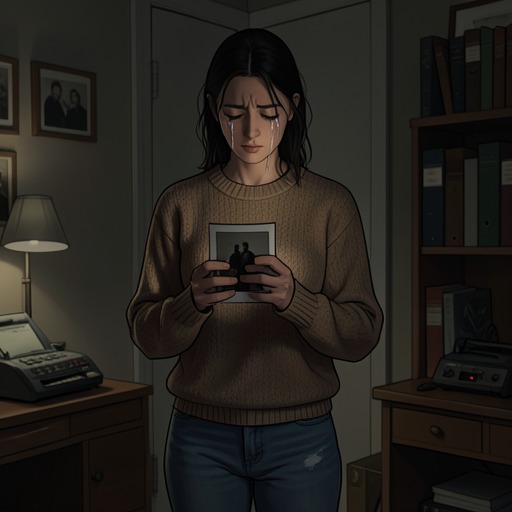
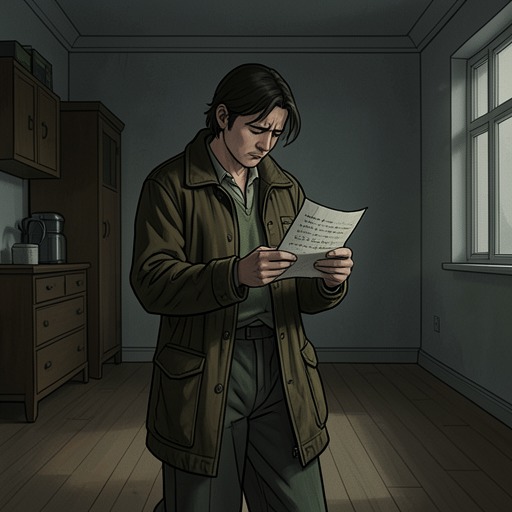
All the Bright PlacesJune 20 is the date of Violet Markey’s return to the Blue Hole after Theodore Finch’s death, a visit that turns one of their shared wandering places into a site of searching, remembrance, and tentative renewal. Beneath a white-hot summer sky, she enters the water looking for Finch even as she knows she will not find him. The scene brings the novel’s landscapes and recurring acts of wandering to a quiet culmination: the places remain, but Violet’s relation to them has changed.
The date and its setting
The June 20 passage opens at the Blue Hole on a day of intense heat and clear blue sky. Violet parks, walks up the embankment, and stands for a long time on the grassy shore, half expecting Finch to appear. The date is not presented as a calendar marker detached from the story; it anchors a bodily return to the place where the water, Finch’s absence, and Violet’s memories converge.
The lake’s blue recalls Finch to her, as does nearly everything else. That association is more than a visual resemblance: throughout their wanderings, particular places have gathered meaning through the time they spent there together. On June 20, the familiar landscape carries both the immediacy of the present and the accumulated weight of their shared past.
A place made through wandering
Earlier visits establish how the wanderings transformed unremarkable or unfamiliar Indiana locations into places the two could inhabit together. At Hoosier Hill, the state’s high point is marked by a wooden stake in a pile of stones, beside a sign naming the elevation as 1,257 feet. Its modest, almost anticlimactic appearance contrasts with the expectation attached to reaching a high point; the visit makes the act of arriving more significant than the grandeur of the destination.
At Bookmobile Park, seven trailers of different makes, models, and years stand in a line among the cornfields outside Bartlett. Violet remembers searching for books with her parents and Eleanor, and the sight of the trailers reconnects the Indiana outing to that earlier family ritual. The landscape’s flatness makes the trailers seem like buildings rising from the fields, while their distinct book categories give the place a structure the pair can explore together.
The night at Purina Tower offers a contrasting kind of elevation. Finch and Violet climb the steel ladder, pass the Christmas tree that remains there year-round, and spread a blanket at the top. From there, the lights below and the dark patches of trees blur the boundary between sky and earth. The view becomes beautiful not because the town has changed, but because Finch and Violet experience it together and temporarily imagine it as belonging to them. These visits make the later return to the Blue Hole part of a larger map of shared attention rather than an isolated act of mourning.
Returning to the Blue Hole
The Blue Hole first enters their shared journey on the winter’s first warm day, when Finch leads Violet down the embankment to the round pool ringed by trees. He describes the stories attached to it: that it has no bottom, that quicksand or a force in the lake draws swimmers into an underground river, and that it may lead to another world. Local tales also connect it to buried pirate treasure, Chicago bootleggers, and teenage boys who disappeared. A 1969 expedition by two sheriff’s deputies found neither treasure nor the bottom, but did encounter a whirlpool that nearly pulled them under. The place is therefore both inviting and dangerous before Violet later returns alone.
A separate post-loss journey brings her along Private Road, past AIT Training and Technology, before she notices the missed bend and finds Taylor Prayer Chapel. The small white chapel and steeple stand behind a wooden cross; a lake, its surface green with algae, lies nearby. Violet wonders when Finch found the place and whether he came on the day he died or the day before. This search underscores how the geography he left behind offers traces but not a complete account of his final movements.
On June 20, Violet returns to the Blue Hole and moves from the shore into the water. She takes off her shoes, dives, and looks for Finch with her eyes open, surfacing for breath before diving again. The repeated descent makes her search physical, not merely reflective: she enters the very water associated with legends of disappearance while knowing that the search cannot restore him. She can nevertheless imagine him wandering in another world, seeing things no one else can imagine.
What remains
At the water’s surface, Violet treads beneath the open sky and thinks of Finch, her own unwritten epitaph, and all the places she will wander. The movement of the passage shifts from looking backward toward a future not yet mapped. She describes herself as no longer rooted but flowing, and feels new capacities arising in her. The image does not erase grief; it gives grief a place within continued movement.
The meaning of June 20 is sharpened by the novel’s distinction between what a person takes from a journey and what that person leaves behind. Violet understands the wanderings as valuable even though she and Finch did not film them, collect souvenirs, or assemble them into a record that would make sense to anyone else. Their significance resides instead in the impressions and attachments they leave with her. The Blue Hole remains a site of danger and absence, but it also becomes part of the landscape through which Violet carries Finch forward—and begins to imagine her own next journeys.